Wellness journal
The Benefits of Professional Massage: What to Realistically Expect
By the TwincitySpa team · · 6 min read
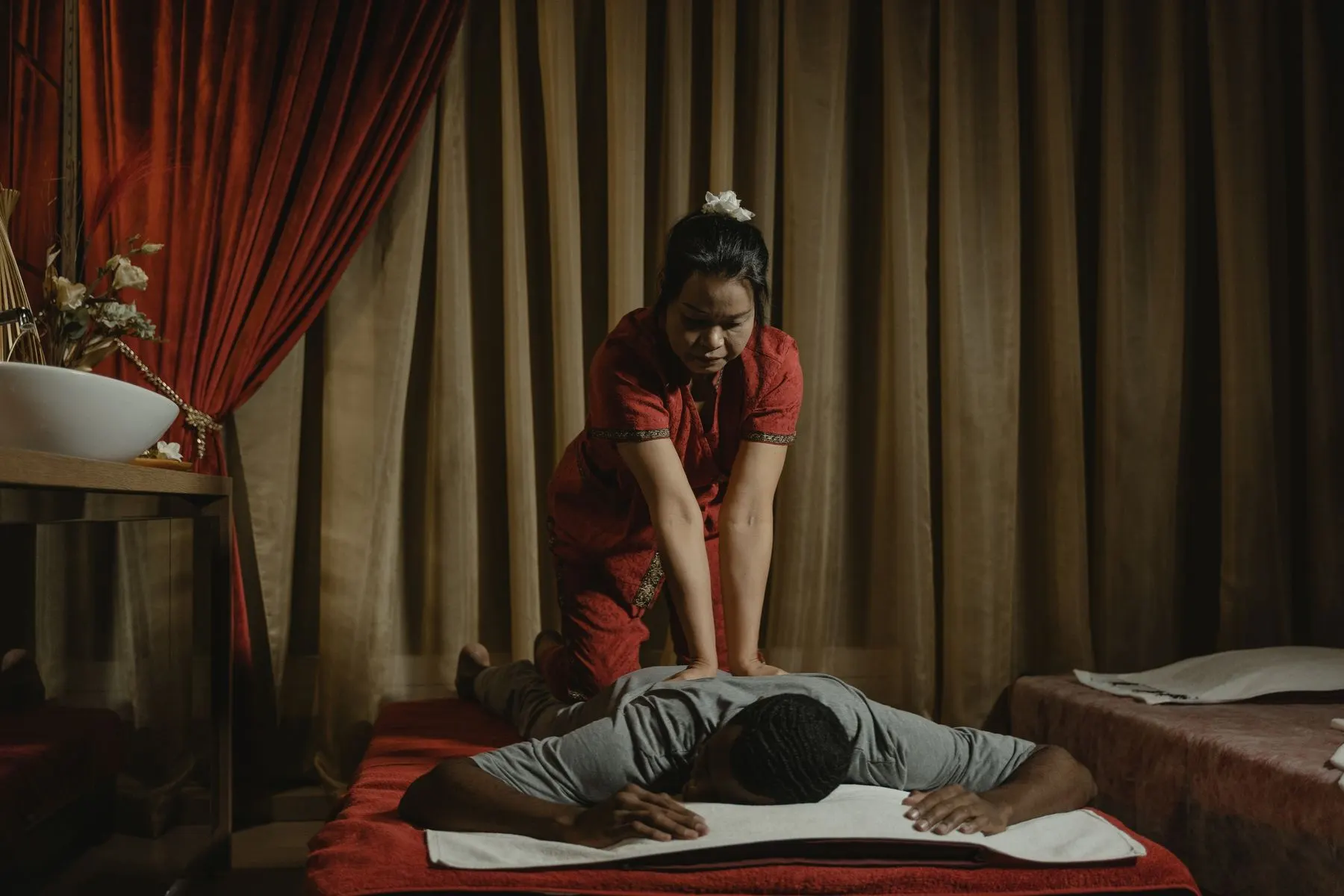
Massage is widely enjoyed for relaxation and easing muscle tension. Here is an honest look at what you can expect — and what massage cannot do.
Why people book a massage
Ask ten people why they book a massage and you will hear ten versions of the same answer: they want to feel better. Some want relief from tight shoulders after weeks at a laptop. Others want an hour of quiet. Many simply enjoy the experience.
Those are all good reasons. The important thing is to understand what massage can realistically offer so your expectations match the experience.
Relaxation and stress relief
The most widely reported benefit of massage is relaxation. Slow, rhythmic touch in a calm, warm room encourages your body to slow down. Many people notice their breathing deepen and their thoughts quieten within the first few minutes.
Treatments built around calm — such as a relaxation massage or aromatherapy massage — lean into this deliberately.
Easing the feeling of muscle tension
Many people find that massage helps their muscles feel looser and less tight, particularly across the neck, shoulders and back. Research on massage for muscle soreness and tension is encouraging, although results vary between people and studies.
If you carry stubborn tightness, a deep tissue massage or focused back massage may suit you. If you are active, consider sports massage.
Better rest
Some guests tell us they sleep more soundly on the night after a massage. Whether that is the massage itself or simply taking an hour to rest, it is a pleasant side effect worth enjoying.
Time away from screens
One understated benefit is simple: for an hour, your phone is away. In a world of constant notifications, a phone-free hour in a quiet room may be one of the most valuable parts of the experience.
What massage cannot do
Massage is a wellbeing treatment. It does not diagnose, treat or cure medical conditions, and it is not a substitute for a doctor or physiotherapist. Be cautious of anyone promising that massage will “detox” your body, cure illness or fix chronic pain.
If you have persistent pain, a recent injury, a heart condition, are pregnant or have any medical concern, speak to your doctor before booking and tell your therapist before your session.
- Seek medical advice for sudden, severe or persistent pain.
- Tell your therapist about medications, conditions and recent surgery.
- Stop the session at any time if something feels wrong.
Getting the most from your session
A few simple habits help you enjoy your treatment more:
- Arrive a few minutes early so you are not rushing.
- Be honest about pressure — your therapist wants feedback.
- Drink some water afterwards and avoid rushing straight into a busy schedule.
- Choose the right treatment — our guide on how to choose a massage can help.
This article is general information, not medical advice. Please consult a qualified health professional about any medical condition.
Quick answers
Is massage good for stress?
Many people find massage deeply relaxing and a helpful way to switch off from everyday stress.
Can massage cure back pain?
No. Massage may help your back feel less tight, but persistent back pain should be assessed by a medical professional.
How often should I get a massage?
It depends on your goals and budget. Some people book monthly; others occasionally when they need a reset.